Image
Muriel Delporte, a sociologist, is interested in how public policies and institutional arrangements shape the individual experiences of ageing among people with disabilities. She has studied the experience of retirement among workers in ESATs (establishments and services providing support through work), who have experienced a strong interweaving of work, place of residence and leisure activities.
Based on a hundred interviews with workers at the end of their working lives and retirees, as well as with professionals and relatives, she shows that the ESAT is a place of almost exclusive sociability: friends are always colleagues, even if not all colleagues are friends. The transition to retirement brings about a violent uncoupling of the different spheres of life.
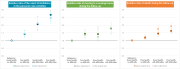
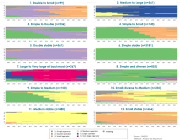
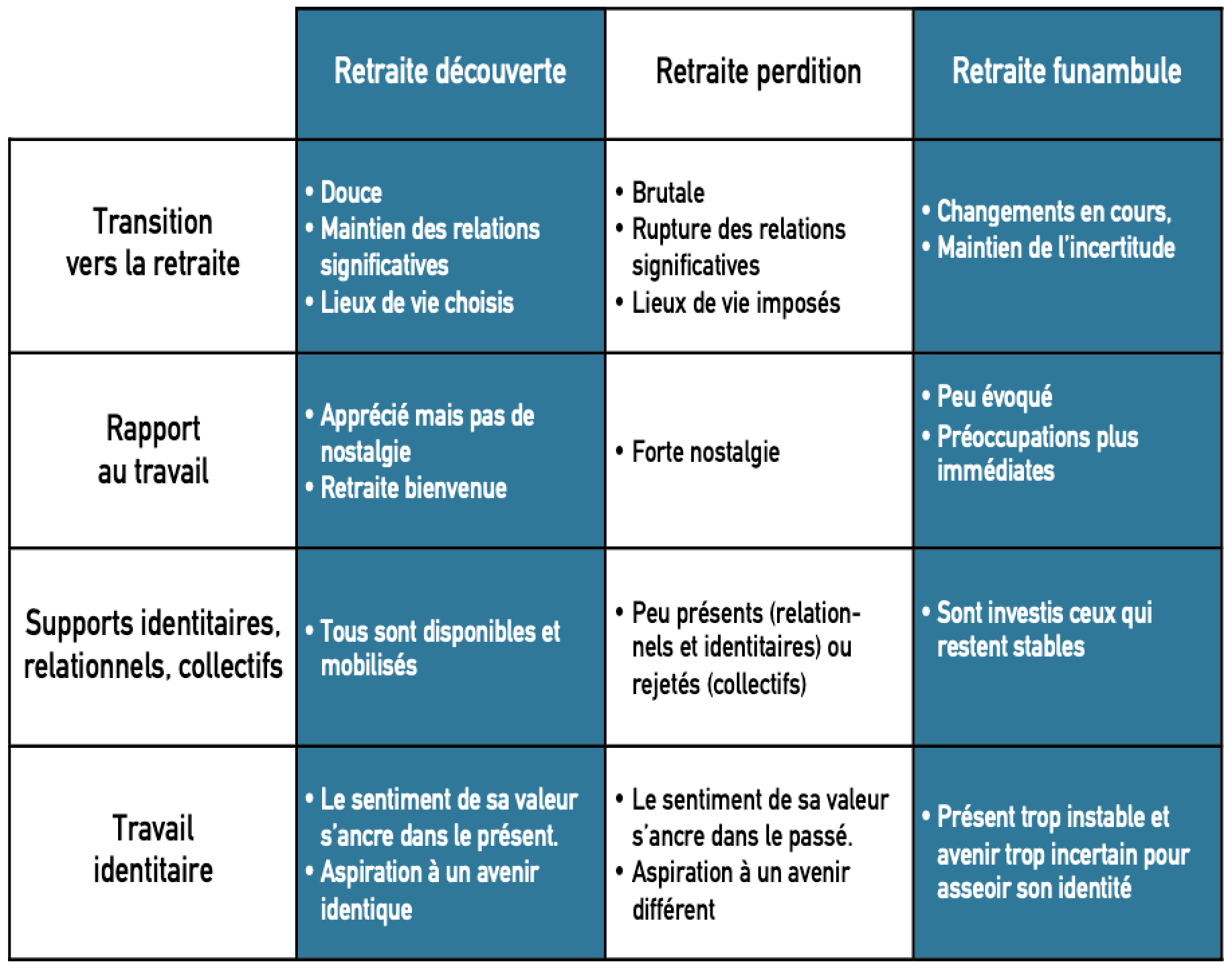
The challenge is to recreate a balance during the transition to retirement. Her analyses reveal contrasting experiences of retirement depending on the conditions of the transition. She provides a summary description of these in three types of lived experience (Figure).
Maintaining friendly relationships plays a crucial role: continuing to “see one’s mates” occupies a central place in retirees’ discourse. A supported transition that preserves meaningful relationships goes hand in hand with investment in new activities or relationships (Exploratory retirement). Conversely, in cases of abrupt breaks, people are more likely to feel dissatisfied with the present, to reject the forms of support available to them, to restrict their activities and to express boredom and nostalgia for work (Lost retirement). Finally, a prolonged transition, particularly involving changes of place of residence, results in a feeling of instability that generates uncertainty about the future.
Thus, beyond the need to support the exit from employment, this research invites a rethinking of the organisation of the sheltered work environment, particularly by diversifying circles of sociability.
Muriel Delporte, sociologist, associate researcher at CeRIES (University of Lille) and technical adviser at the CREAI of Île-de-France
Retrouvez aussi une contribution de Muriel Delporte dans la Lettre d'information de l'ILVV d'octobre 2021.